
Why choose sod
Sod offers numerous benefits, making it a popular choice for homeowners, home builders, and landscapers. Here are some of the advantages of using sod from Highland Sod Farms:
Instant Results: Unlike seeding, which requires time and patience for the grass to grow, sod grass provides an instant lawn. Once installed, sod grass creates an immediate lush, green carpet that can transform the appearance of your yard.
Weed-Free: Our sod grass is grown in weed-free conditions, which means it is less likely to have weed issues than seeding. This can save you time and effort in weed control, resulting in a cleaner and healthier lawn.
Erosion Control: Sod grass helps prevent soil erosion, especially on slopes or areas with heavy foot traffic. The dense root system of Highland Sod Farms sod holds the soil together and prevents it from being washed away by rainwater, making it an excellent option for erosion-prone areas.
Increased Property Value: A well-maintained sod lawn can significantly enhance the curb appeal of your property, increasing its value. A beautiful, lush lawn is often seen as a sign of a well-cared-for property, which can appeal to potential buyers if you ever decide to sell your home.
Water Conservation: Sod requires less water when compared to seeding, as it has already established a mature root system. Once the sod grass is properly rooted, it can be more drought-tolerant, helping you conserve water and reduce water bills.
Easy Installation: Installing sod grass is relatively straightforward and can be done by homeowners or professional landscapers or by the qualified team here at Highland Sod Farms. We are located in Elizabethtown, and we deliver and install sod throughout Kentucky, including Louisville, Lexington, Bowling Green, and even Nashville areas such as Franklin and Murfreesboro. With proper preparation and installation, you can have a healthy, established lawn in a matter of weeks.
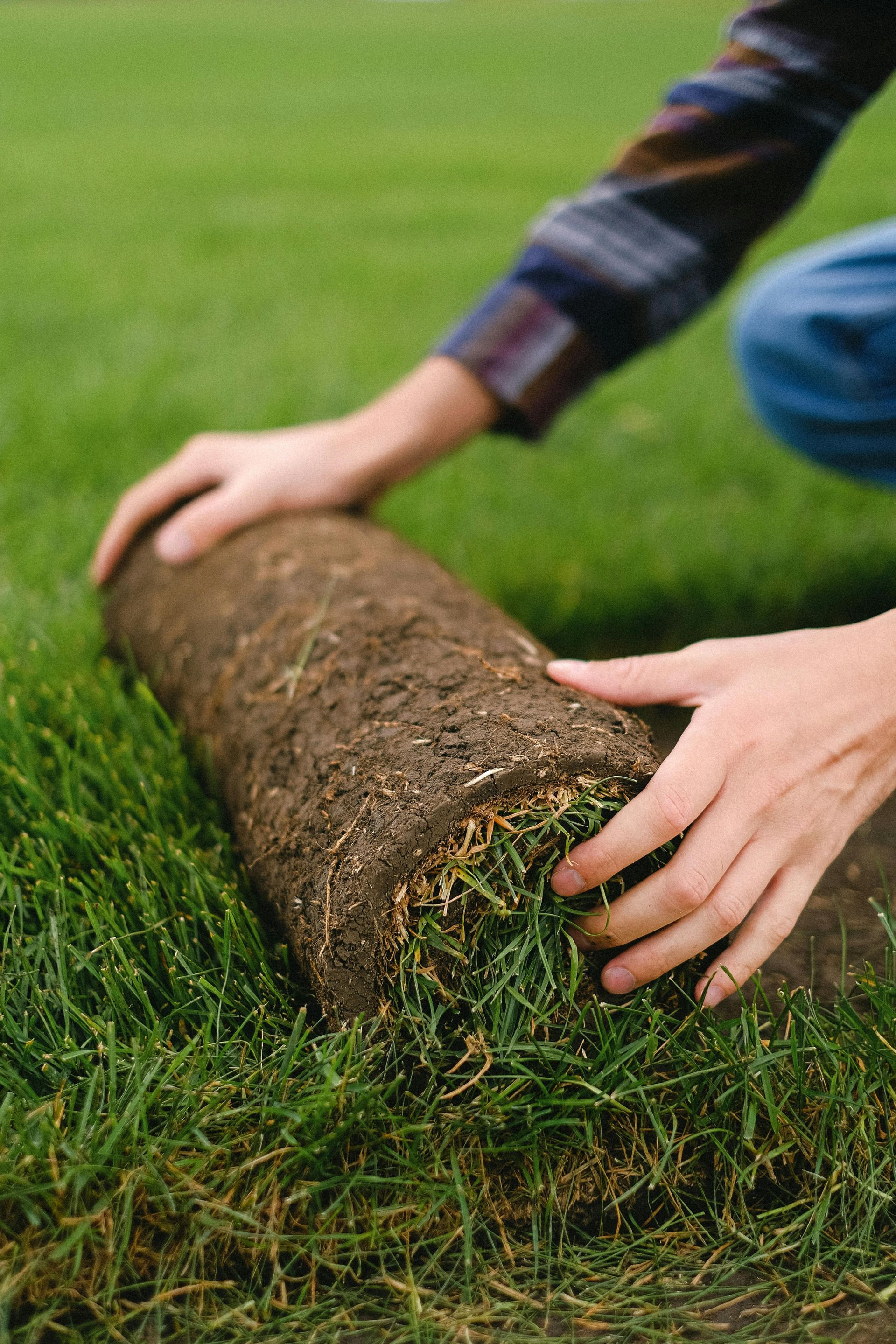
But what is sod?
I'm glad you asked...
Sod, also known as turf grass or sod grass, is a layer of grass that is grown on a specialized farm, harvested, and then sold in rolls for installation on lawns. It is essentially a pre-grown grass that is ready for immediate installation, providing an instant lawn. Sod grass is grown under controlled conditions, allowing for a dense and healthy root system to develop, resulting in high-quality grass that can be easily established in a new location.
FAQs
How long should I avoid walking on new sod?
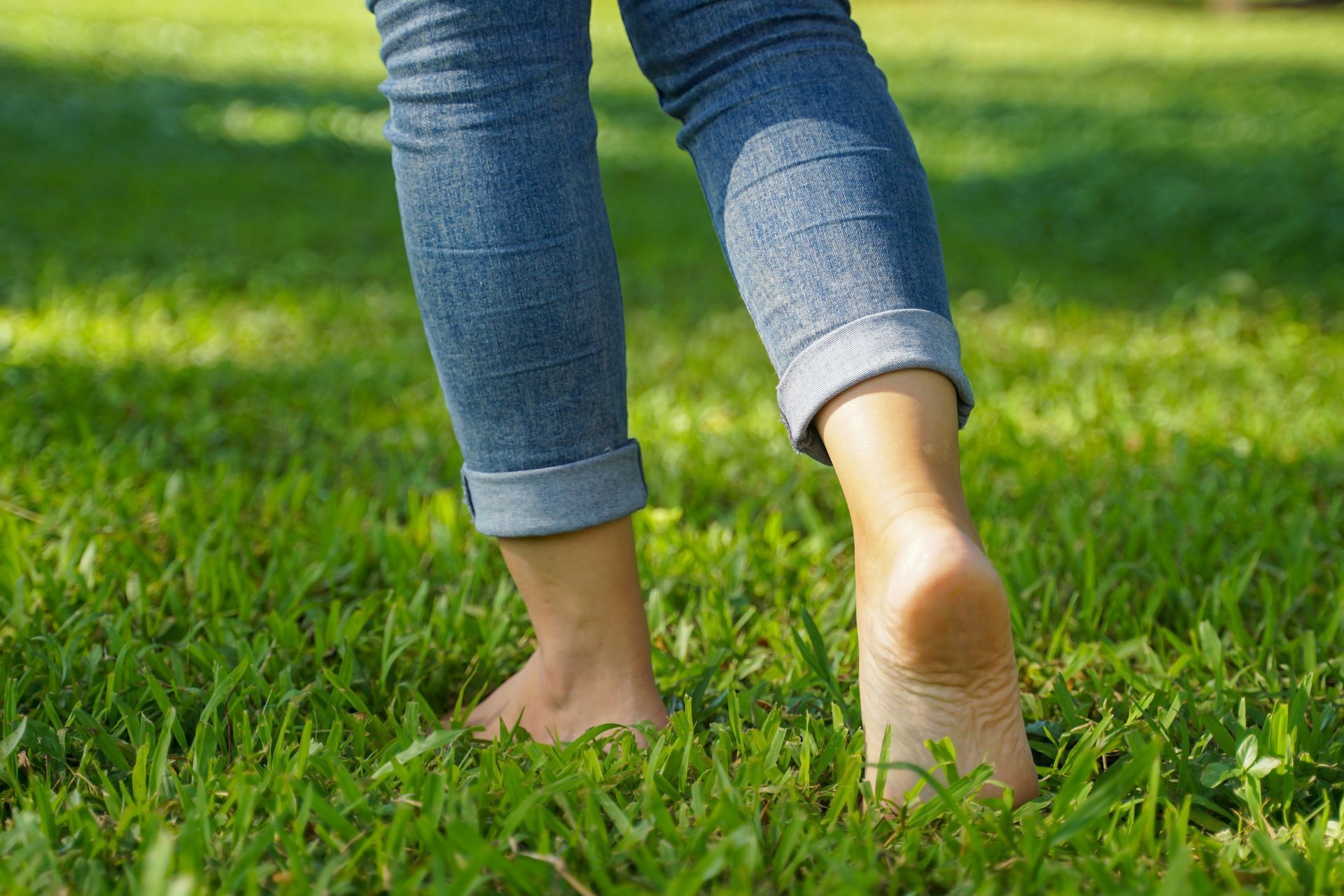
Of all the tips we have for caring for new sod, the most important is not walking on it too early. You should keep pets, children, and everyone else off of newly plant sod until at least the first mowing. Watering the sod at regular intervals will help the roots to establish themselves, and until they are firmly entrenched, your sod is vulnerable. Walking on the sod before the roots have taken cold can cause root failure or poor rooting.
How Long does it take for sod to take root?
New sod roots are very short, so it is important to treat them with care and ensure they are not overwatered. Usually, roots will start the process of establishing themselves with a week of installation. In some cases, it can take as long as two weeks for the process to really get underway. The climate in your area, the season you plant your sod, and your soil quality will all play a part in determining how long it takes for the new sod roots to take hold. Take care never to overwater the sod while it is in the rooting stage. Soggy sod can lead to root rot and eventually new sod failure. Instead, water the sod in smaller amounts, several times during the day.
When caring for new sod, the rooting period is the most critical. Take care not to water your sod too much, or you will prevent the roots from creating a strong bond with the soil. As you get closer to the first mowing period, you should reduce the amount of water you apply to the new sod. This will allow the roots the time they need to firmly take hold of the soil as it firms up for the first mow.
If the soil is too soft during your first mow, you can end up pulling the sod out by its roots, and you will end up having to start over with new sod. Your first mow should be scheduled two to three weeks after the sod was installed. If you installed your sod in the winter, the roots will need at least a month to establish themselves ahead of your first mow.
Is it normal for my sod to have some weeds?
Yes, some weeds may appear as your sod establishes. Regular mowing and proper maintenance will help control them. Consider using a pre-emergent herbicide after the sod is fully rooted.
How do I prepare my lawn for winter?
In late fall, mow your lawn to a height of about 2-3 inches and apply a winterizing fertilizer. This helps strengthen the grass for the cold months ahead.
Can I install sod in the fall?
Yes, fall is an excellent time for sod installation as temperatures are cooler, allowing for better root establishment before winter.
WHat is the best time to install sod?
The best time to install sod is during the spring or fall when temperatures are moderate. This allows the grass to establish roots without the stress of extreme heat.
Can I improve the health of my sod?
Regular mowing, proper watering, and fertilization are key. Aerating your lawn annually can also improve soil health and promote deeper root growth.
How often should I water my new sod?
New sod requires frequent watering to establish roots. Water daily for the first two weeks, then gradually reduce to every other day. Ensure the soil is moist but not soggy.
When should I mow my sod for the first time?
Wait until your sod has rooted into the soil, typically about 2-3 weeks after installation. Mow when the grass reaches about 3-4 inches in height to encourage healthy growth.
What type of fertilizer should I use?
Use a slow-release nitrogen fertilizer specifically designed for new sod. Apply it about 4-6 weeks after installation to promote strong root development.
How can I tell if my sod is getting enough water?
Check the soil moisture by digging a small hole. If the soil is dry 2-3 inches down, it's time to water. Look for signs of wilting or browning grass as indicators of drought stress.
WHat should I do if my sod is turning brown?
Brown sod can indicate drought stress, disease, or pest issues. Assess your watering schedule, check for pests, and consider consulting a lawn care professional if the problem persists.
FAQS
Is it normal for my sod to have some weeds?
Yes, some weeds may appear as your sod establishes. Regular mowing and proper maintenance will help control them. Consider using a pre-emergent herbicide after the sod is fully rooted.
How do I prepare my lawn for winter?
In late fall, mow your lawn to a height of about 2-3 inches and apply a winterizing fertilizer. This helps strengthen the grass for the cold months ahead.
Can I install sod in the fall?
Yes, fall is an excellent time for sod installation as temperatures are cooler, allowing for better root establishment before winter.
What is the best time to install sod?
The best time to install sod is during the spring or fall when temperatures are moderate. This allows the grass to establish roots without the stress of extreme heat.
How can I improve the health of my sod?
Regular mowing, proper watering, and fertilization are key. Aerating your lawn annually can also improve soil health and promote deeper root growth.
How often should I water my new sod?
New sod requires frequent watering to establish roots. Water daily for the first two weeks, then gradually reduce to every other day. Ensure the soil is moist but not soggy.
When should I mow my sod for the first time?
Wait until your sod has rooted into the soil, typically about 2-3 weeks after installation. Mow when the grass reaches about 3-4 inches in height to encourage healthy growth.
What type of fertilizer should I use?
Use a slow-release nitrogen fertilizer specifically designed for new sod. Apply it about 4-6 weeks after installation to promote strong root development.
How can I tell if my sod is getting enough water?
Check the soil moisture by digging a small hole. If the soil is dry 2-3 inches down, it's time to water. Look for signs of wilting or browning grass as indicators of drought stress.
What should I do if my sod is turning brown?
Brown sod can indicate drought stress, disease, or pest issues. Assess your watering schedule, check for pests, and consider consulting a lawn care professional if the problem persists.